Have a few questions about heat pump pool heaters? Wondering how they work?Find the answers in this postIf you’re reading this post then you likely fall into one of three categories:. You’re a pool owner who’s thinking about switching from gas or solar, to heat pumps. You’re a first-time pool owner looking for a reliable pool heating system.
- If you don't have a qualified HVAC technician install the pool heat pump, Hayward can refuse to honor the warranty. And if you buy this heat pump online instead.
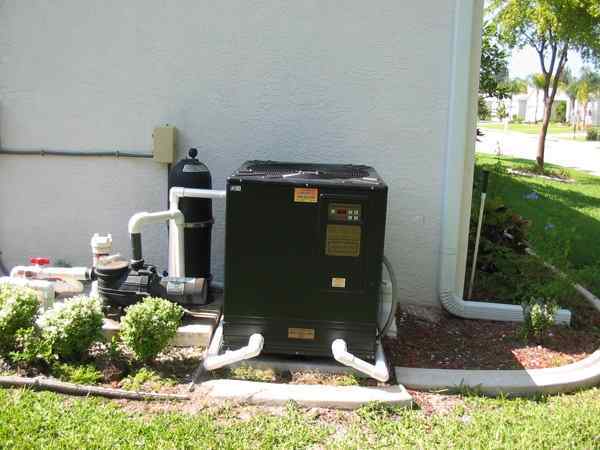
- Proper installation and maintenance could see your pool pump serve you for well over five years. Installing a heat pump. Heat pumps need plenty of air circulation and work best outside with plenty of clearance. The pump should thus be placed on level ground near a pool pump or filter. You should also ensure that air flow is restricted.
You’re an ambitious web surfer aching to discover just how much you really need to know about heat pump pool heatersIf any of those sounds like you, well then, good news. You’ll find the answers to all your questions and more in this post.
Heat Pump For Above Ground Pool
And if you’re looking to make a decision about which pool heater is best for you, the information laid out here will make it much easier. Of course, you could always just check out the we wrote for that very reason.But let’s get back to the focus of this post, heat pumps. They’re one of the most popular pool heating options available today, yet not everyone knows exactly why that is. Sure, they have a reputation for being energy efficient, but what is it that causes so many people to choose them over all other options? Oftentimes, even over the faster options.That’s the real question to ponder as you continue reading. But don’t worry, the answer should come to naturally by the time you finish the post.And on that note, let’s get right into it. Heat Pumps 101How does a pool heat pump work?A pool heat pump’s heating process begins with the fan at the top of the unit.
As the fan starts spinning, it generates heat energy, drawing in warm, natural air from the environment. From there, the warm air gets pulled into an evaporator coil. The coil contains a special refrigerant that, when combined with heat energy, creates a warm gas.The warm gas created by the refrigerant system travels to a compressor where it’s compressed and heated to a hotter, useable temperature.
Once fully compressed, the hot gas makes it’s way to the heat exchanger.This is where the heat transfer takes places. As the hot gas travels through and heats the inner titanium tubing within the exchanger, pool water flows through the outer plastic tubing. As this happens, the heated titanium tubing transfers heat to the water, which then flows out of the heat pump and back into the pool.And that, in a nutshell, is how the magic happens. But, if you want to learn more about the process, check out:What size heat pump do I need for my swimming pool?The heat pump size you’ll need depends on the size of your pool, the shape, and your location. Below is a quick reference on heat pump sizing for a rectangular pool. 10,000 gallons then you need a 50,000 – 65,000 BTU heat pump.
15,000 gallons then you need an 85,000 – 110,000 BTU heat pump. 20,000 gallons then you need an 85,000 – 125,000 BTU heat pump. 25,000 gallons then you need an 110,000 – 150,000 BTU heat pumpKeep in mind that the above numbers are estimates. For the most accurate sizing, we recommend reading our post on.If you aren’t sure how many gallons your pool is, or just to make sure you size correctly, we’re happy to. How much does it cost to put a heat pump pool heater in a pool?The installation cost of a heat pump pool heater ranges from a low of $1,500 to a high of $5,000.Note that this number depends on a few factors, including heat pump size, electrical/plumbing work needed, and locationHow much electricity does it take to heat a pool with a pool heat pump?Heat pumps offer affordable heating at $50 – $150 per month. The higher number represents peak use.
All Hayward HeatPro Heat Pumps must be installed in accordance with all. WARNING – Failure to bond heat pump to pool structure will increase risk for.
For most pool owners, heating costs will usually stay on the lower end throughout the year.On that note, you can easily double the energy efficiency of any heat pump pool heater by simply. The improved heat and water retention your pool gains from using one take a huge load off of the heat pump’s heating duties.How I often should I do pool heat pump maintenance?Even if you never service it once, a pool heat pump can easily last 10-20 years. But what if we told you that good pool heat pump maintenance is the key to doubling, if not tripling your heater’s lifespan?Well, the fact is, good heat pump maintenance is everything. So, the best way to maximize the life of your pool heat pump is to have it serviced at least once a year.Much like your car, an annual service call is essential to avoiding those problems that can creep up later and leave you without heat.Bottom line: treat your pool heat pump well, and it will return the favorAre heat pump pool heaters for inground pools?Heat pumps are perfect for both inground and above ground pool. In fact, you can even use one to heat a spa if need be.Heat pump pool heaters vs gas: which is best?The main idea here is energy efficient heating vs fast heating.
While heat pumps offer an affordable heating solution ideal for most climates, they’re heating speed is slower when compared to gas heaters.Gas heaters offer substantially faster heating speeds at the cost of, well, money— gas is expensive.In most situations, gas heaters are seen more often in small spas or used as backup heaters to heat pumps for those frigid days.Heat pump pool heaters vs solar: which is best?Another great question that pops up in the pool industry more often than surprise algae right before a summer pool party.Again, answering this question comes down to preference. However, since both heaters focus on energy efficiency, comparing the two is a little different. But to keep things brief, we’ll summarize it down to this: solar pool heaters offer some of the most affordable pool heating available, but they cannot be used on demand due to the nature of their heat source (the sun).Heat pumps offer energy efficient heating on-demand, whether the sun is out or not. Of course, it doesn’t always have to be one or the other. There isa third option.
You can read about it here:That pretty much takes care of all the FAQs on the topic of heat pumps. Hopefully, now you have a better understanding of how they work and whether they’re the right choice for you. Of course, there are a few other cool facts about heat pump pool heaters that we didn’t get to include yet.But don’t worry, they’re all summed up into this next bonus section.11 Reasons To Use a Heat Pump1.) They’re eco-friendlyUsing R410A refrigerant and non-combustive heating, heat pumps emit zero harmful emissions. This makes them very environmentally friendly. Unfortunately, the same can’t be said about gas pool heaters.2.) They’re way more energy efficient than other pool heatersJust how much is “way more”? Well, heat pump pool heaters are four times more energy efficient than gas, and nearly six times more energy efficient than electric resistance.3.) They last a long timeAs we mentioned earlier in the post, most heat pumps can easily last 10-20 years, which is impressive compared to other pool heater types.
But what’s more impressive is knowing how easily a can be extended with good maintenance habits.4.) They’re quietFor the most part, almost all heat pumps operate at a fairly low volume. Usually quiet enough to fade into background noise.But for those who appreciate silence in all its golden glory, there are some heat pumps that are even quieter, operating at volumes as low as 50db.5.) They’re affordableHeat pumps may be the only type of pool heater that’s affordable in both the short term and long term. By this, we mean that they’re fairly low-cost to both install and operate.This is important because while other pool heaters may be cheaper off the bat, the savings is usually offset by expensive monthly heating costs.
With heat pumps, that isn’t a problem.6.) They extend your pool seasonWithout a pool heater, your swim season is pretty much limited to whenever it’s warm enough to swim. But with a pool heat pump, you can enjoy comfortably temperate water whether it’s 100 degrees out or 70.And with a pool heat pump, you can open your pool earlier and close it earlier. All of which means more time to swim and enjoy good company in the comfort of your own backyard.Now THAT’s getting the most out of your swimming pool.7.) They’re easy to maintainHeat pump pool heaters are robust, so you won’t have to regularly take them apart and clean tiny gears or anything like that. A bit of good housekeeping and basic goes a long way in keeping your heater in good shape.8.) Easy to useTurn on your pump, power on the heater, set your desired temperature, and you’re done. It’s really that simple.With easy-to-ready displays and push button controls, heat pumps are easy to use and won’t leave you scratching your head in frustration.9.) They’re simple to repairIf and when you run into some problems, reliable is just a phone call away.
For some pool owners, having a professional heat pump technician handle the work is the preferred choice.But for those DIY pool owners willing to get their hands dirty, can be an excellent alternative.10.) They’re great for all climatesWhether you live in the east or west coast, north or south, a pool heat pump works great. With operation limits down to 40 degrees (in the 30s for more advanced heat pumps), heat pump pool heaters provide more than enough heat to and enjoy comfortable swims when you want to.But did you know that some heat pumps can also cool your pool when it gets too hot? Now that’s convenient.Bonus Fact: If you live on the seacoast, a heat pump is especially great due to its corrosion-proof titanium heat exchanger. No more salt damage!11.) They’re technically “solar heaters”Although they don’t utilize solar panels, heat pumps still use heat energy created by the sun as their primary energy source. Without the hot temperatures produced by the sun, heat pumps wouldn’t really work all that well.Closing thoughtsSo there you have it, everything you need to know about heat pumps swimming pool heaters. From their exceptional energy efficiency and performance to their affordability and convenience — the secret to this pool heater’s popularity is no secret at all. If you need a reliable way to heat your pool that stays within budget, but doesn’t sacrifice your ability to swim when you want, then a heat pump is a great choice.
“These folks are the real deal. Friendly, prompt, engaged, and very willing to do whatever it takes to get the job done. I recommend Medallion without any reservation. A company that goes all the way with you to provide the best customer service I think I’ve ever seen.” -Rick Patterson Marcy, NY “Jim was able to pin point my problem. OVER THE PHONE!!!! After, ordering the new part Jim also talked me though the installation of the new part! I don’t know where, they learned their customer service skills, but other business could learn a thing or two from Medallion.” -Larry Pietrantonio Satellite Beach, FL “I can assure you that after 10 minutes of Jim’s instruction I knew more than any of the technicians in my area.
Based upon my personal encounter with Jim Diroff I have the utmost confidence in his company and offer the highest recommendation without reservation.” -Edward Bonsignore Mt. Sinai, NY “Jim was able to talk me through a couple of troubleshooting techniques over the phone.He was very friendly and incredibly knowledgeable. I will not do business with anyone else. Without a doubt, Jim earned my business for life!!!” -Bruce McCormick Langhorne, PA “Your system is flawless, even for a couple of 80 year olds like us.
The pump is humming away outside and we can’t wait to get the temperature up to the level we like. It’s rare to find people like you two who really know what you’re doing and who have the skill to instruct others.” -Frank & Elaine Hassler Rockport, MA “Jim and Denise Diroff are accessible, professional, extremely knowledgeable, thorough, and exceedingly reasonable in terms of price, especially when factoring all the added value, they provide in the job they perform.” -Chris Rogers Falmouth, ME/Kissimme, FL.
Your heat pump is not only a great investment, but also the most cost efficient method available for heating pools and spas. Should you ever require help in using or maintaining your heat pump, you will find poolheatpumps.com customer and technical support staff to be the most qualified and easily accessed customer service team in the pool heat pump industry.
We are here for you! It might be necessary to have a licensed electrician or natural gas professional assist you so that your heater is installed properly and safely. Remember that all pool heater models will require varying guidelines in regard to proper clearance and ventilation and all manufacturer specifications should be strictly adhered to.
Pump Heat Pump Installation If you properly install and maintain your heat pump pool heater, it can easily last five to ten years or longer and maximize energy efficiency. We recommend having a qualified pool professional or electrician install the heater. Especially for electrical wiring and hookups. Heat pumps need plenty of air circulation and work best outside with plenty of clearance surrounding the unit with no obstructions. Take care in selecting the location for your heater; on level ground near a pool pump or filter and ensure that air flow is restricted.
Your owner’s manual will specify in detail the proper clearance, where the heat pump goes in conjunction with your equipment and the ideal location of the unit. FAQ: What distance from my pool should I install a heat pump? Install the heater as close to the filter as possible and approximately 25 feet away from the swimming pool. Installing the unit any farther may cause heat loss since tubing is underground. An 'ideal' installation will have about 24' of clearance around the unit with no obstructions above. We have seen many exceptions and if you believe you have one, call us and we can go over it.
If you're not sure where to install the heater pump, contact us to make sue that the capacity of the heater is adequate for your pool and the distance between the heat pump and filter. Operating a Heat Pump or Pool Heater After you get the unit wired by a licensed electrician and plumbed, you are all set to turn it on. This is where you will need to read your Owner's Manual as every pool heat pump has different controls. Ensure that all valves are open to allow water to get to the pool heat pump. Sometimes valves may look open, but they are actually closed.
Your heat pump will only run if your water pump is running. There are instances where the heat pump can still run if the water pump is off, but this is very rare and is only on select plumbing installations where siphoning occurs; this must be corrected. When the unit is running in heating mode, make sure that the air being exhausted from the top is cooler than the ambient air.
This is a sure sign that the pool heat pump is working. If the heat pump is still running when your water pump is off, turn your heater off and call us or the manufacturer. This will sometimes occur if the heater is set well below the water level of the pool or the flow switch needs to be adjusted.
Most heat pumps will shut down below 50 degrees Fahrenheit and start up again once the temperature gets above 50. There are some heat pumps that will go below 50 degrees Fahrenheit if they have an active hot Freon defrost. You can improve the performance of your heat pump during cool days by using a solar blanket on the water. In some unique cases the use of a solar blanket is necessary for the heat pump to properly maintain high temperatures. If possible, run the heat pump for 72 hours straight or during the warmest time of day to allow your pool to reach the desired temperature. If you have a solar cover/blanket, we highly recommend using it. After running the pool heat pump for some time, you will notice condensation water around your equipment pad or in the unit.
If you believe the water to be caused by a leak, there are two ways to test it. Turn off the pool heat pump, but keep your water pump running. You should notice that the condensation will dry up, which proves the water is going through the unit but is not leaking despite water flow. Another way is to take test strips and dip them into a pool of the condensation.
The test strips will show that there is not chlorine present, which means no leaks. FAQ: Does Poolheatpumps.com install heaters? Poolheatpumps.com does not install heaters but we know great people in many parts of the country and can help find someone for you. Although Poolheatpumps.com doesn't install heat pumps or do service, we have the experience from years in the field and we want you to get the best possible heater for your application.
If you need an electrician, you should get a free quote from 2 or 3 of them, and then you can make the best choice. Usually the quotes start at $150.00 depending on the complexity of the job. Some of the manufacturers also have some people that they like to use too. We can ask them if you can't find anyone that you like. To avoid disappointment please have your heat pump installed by a licensed professional. If you have any questions please call us for help. We are here for you.

Poolheatpumps.com does not accept returns based on poor performance due to unforeseen conditions or improper operation or installation. Please follow the manufacturer’s recommendations to protect your investment. Always read your owner’s Manual. Download an to assist in proper installation, operation, maintenance and service of your new heat pump pool heater. Poolheatpumps.com is not responsible for any new changes made by manufacturers that we might not be aware of.
Important: Review the maintenance schedule and other recommendations in your owner's manual. Your heater will probably require routine maintenance about once a year.